Stock and absorbency
Coated, uncoated and recycled boards absorb ink differently, which changes drying, gloss and final color.

OVERVIEW
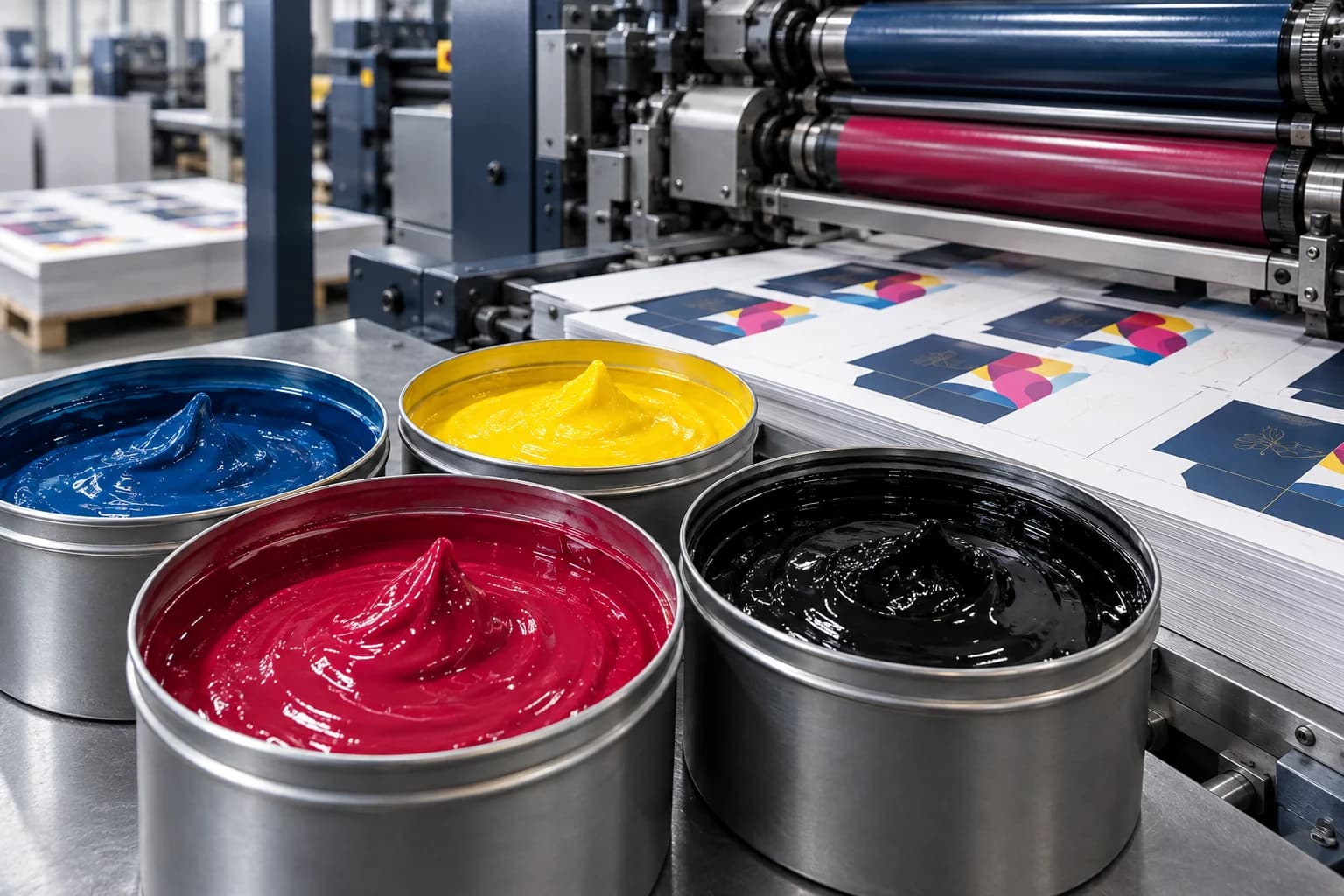
Paper and board vary widely in surface, absorbency and finish. A carton printed offset and varnished in-line needs something very different from a corrugated case printed flexo or a kraft paper bag. The right ink follows the stock and every finishing step after the press.
The paper or board grade shapes the starting point for color and drying. Coated carton board, uncoated kraft and corrugated surfaces should be described by their actual material references, not grouped together simply as paper packaging. Include the print process and the desired appearance on that stock. When comparing samples, keep the substrate and finish visible in the discussion because a shade reference alone leaves their contribution unresolved.
Finishing turns the printed sheet into a usable pack. Varnishing, laminating, foiling, embossing, folding and gluing introduce requirements beyond the first printed impression. List the steps your job actually uses and explain how the finished cartons, bags or cases will be stacked and transported. A practical approval considers the print after relevant conversion and handling, with the acceptance criteria agreed for that particular packaging job.
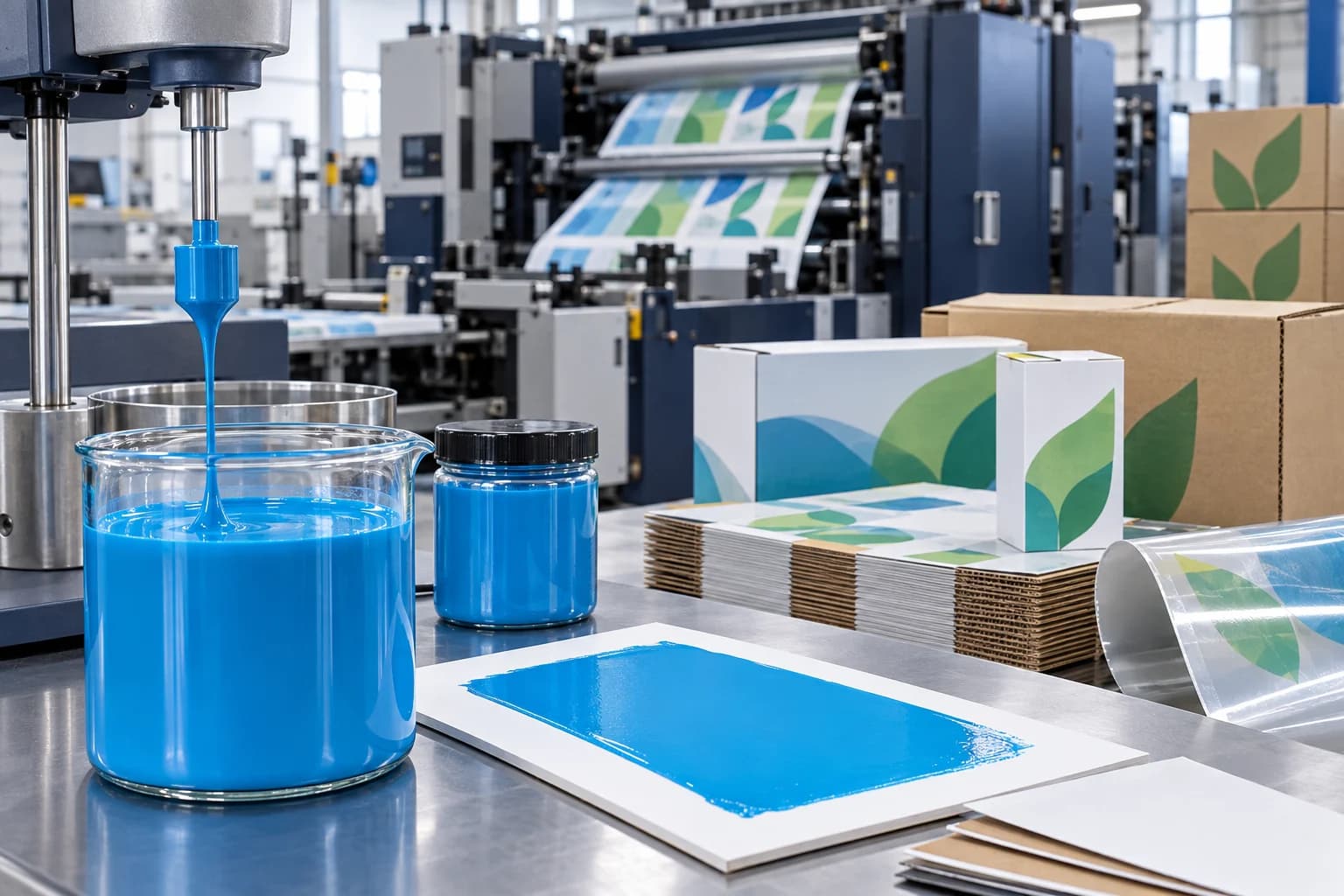
On a water-based corrugated or paper-bag job, uneven coverage may involve foam, surface contamination or the way ink wets and transfers to the stock. Record where the defect appears and the circulation and press conditions before making adjustments. This helps distinguish an application issue from a shade issue and keeps corrective trials focused.
WHAT MATTERS
The material, printed layer and finishing sequence all influence the ink recommendation. Use these application considerations to prepare a brief for your packaging structure.
Coated, uncoated and recycled boards absorb ink differently, which changes drying, gloss and final color.
Varnish, lamination, foiling, embossing and gluing each need the ink underneath to cooperate.
Cartons and cases are stacked, shipped and handled. Tell us what the pack goes through after it leaves the press.
RECOMMENDED PRODUCTS
APPLICATION QUESTIONS
Practical answers to help you prepare the material, process and finished-pack details for this application.
The surface and absorbency of the stock affect the appearance of the printed ink. A target established on coated board should therefore be reviewed on the actual kraft or uncoated material rather than assumed to transfer unchanged. Provide the stock references, printed sample and intended finish. Agree the appearance required on each material so color approval reflects the packaging that will be produced.
List the varnish or laminate and any foiling, embossing or gluing steps used after printing. Include the board grade, press process and the intended sequence of conversion. The ink needs to be considered in relation to these operations, not just the finished shade. Where the construction or finishing changes, review the proposed combination before carrying an existing carton approval over to the new job.
Describe how the cases will be stacked, pallet wrapped, shipped and handled, together with the board surface and printing process. Identify the areas where printed information or brand color must remain readable after handling. Agree an assessment that represents those conditions instead of asking for an undefined scuff-proof result. The proposed ink and printed board should be evaluated as part of the actual case requirement.
Include the exact replacement board reference and describe any change in surface, coating or absorbency. The recycled-content description alone does not define how a board will print. Compare the target appearance and relevant drying and finishing requirements on the proposed stock. Review the result through conversion before accepting the substitution; an unchanged carton design does not remove the need to assess the new printing surface.
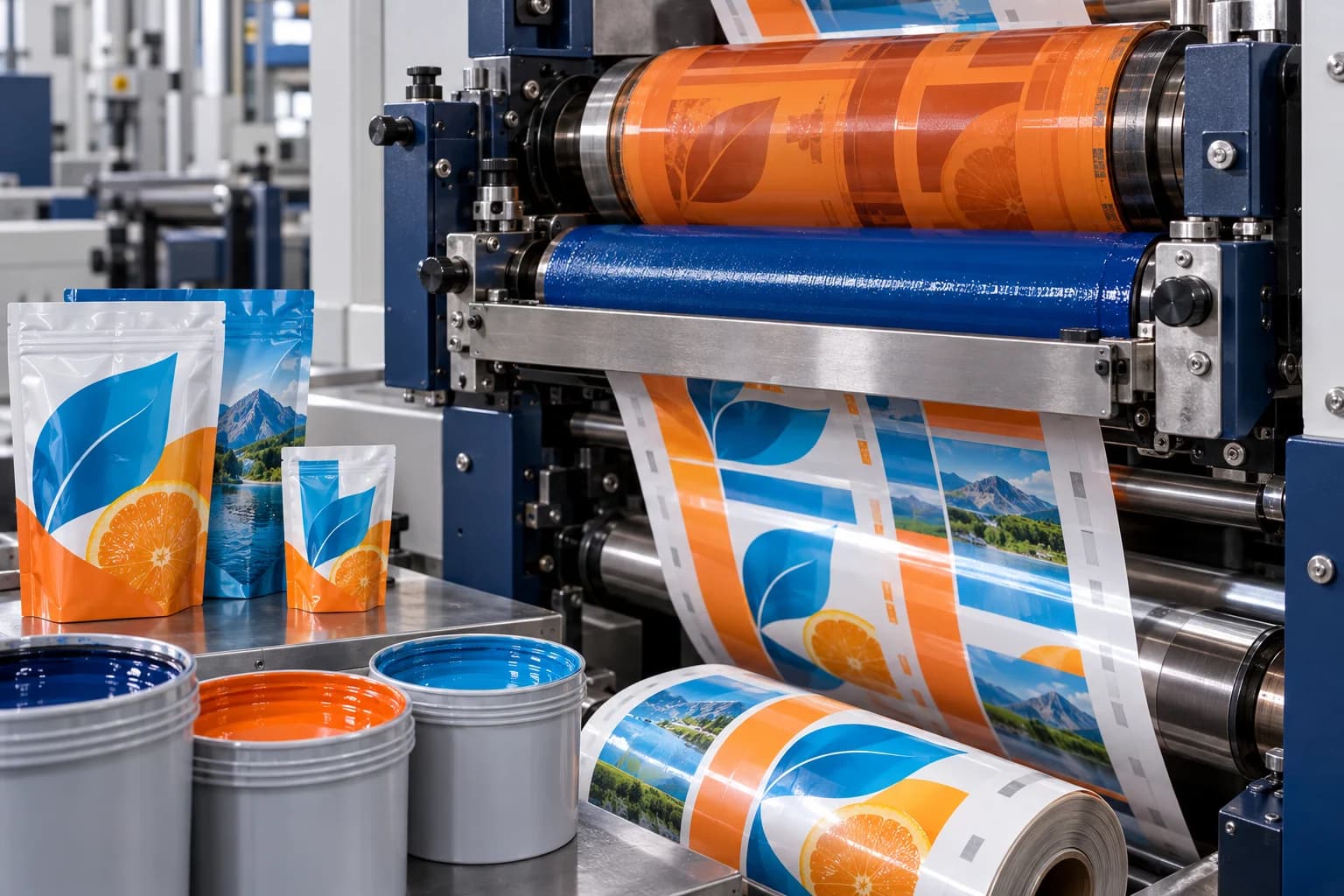
Provide the paper grade, coating if present, printing process and intended coverage. Describe folding, gluing and the handling expected during filling and transport. Coarse or absorbent stocks and large printed areas deserve explicit attention in the brief. Include an approved reference where available, but agree the intended result on the actual bag or sack material rather than relying on a sample printed on a different stock.
Establish the target with the intended finish in mind and agree which sample represents final approval. Varnish and lamination form part of the finished appearance, so assess the relevant printed and finished combination. Share the board, ink proposal and finishing details with the enquiry. A press-side color decision is useful, but it should be connected to the appearance and handling requirements of the converted carton.
Tell us about your press, substrate and color target. We will help you frame the right ink conversation.