Ink–water balance
Share your fountain solution, press speed and normal running conditions so the recommendation reflects how your press actually runs.
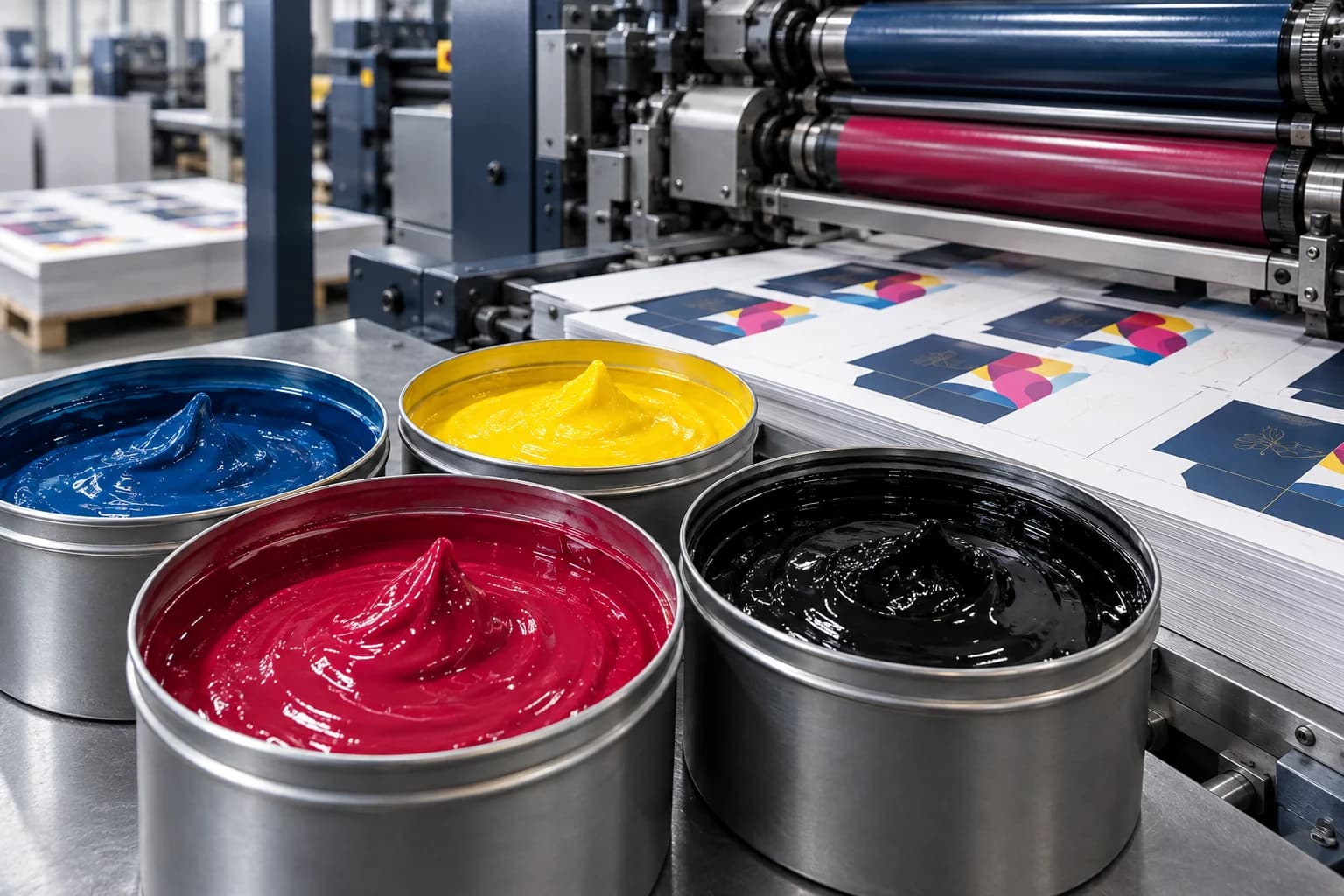
OVERVIEW
High-strength sheet-fed inks developed for sharp detail, clean transfer and reliable color on paper and paperboard packaging. The right system is selected around the stock, press conditions, drying window and the rub or finishing resistance the pack must achieve.
Sheet-fed offset remains the workhorse for folding cartons and paperboard packaging. The ink has to transfer cleanly through the roller train, hold a stable ink–water balance and set fast enough for the stack, coating or finishing step that follows. We start from the stock, the press and the finished carton, then match the ink to them.
The paper or board specification gives the recommendation its starting point. Coated and uncoated stocks differ in absorbency and surface appearance, so the same shade can look different on each. Include the grade, coating and any approved printed reference when discussing a new carton or a material change.
Look beyond the printed sheet to the next operations. Varnishing, lamination, foiling, folding and gluing can introduce different requirements, while stacking and transit bring handling exposure. Agree which checks matter for the finished carton and how the trial will be assessed before moving into a production run.
WHAT MATTERS
Review the application, material and production conditions together. These considerations help frame the questions to resolve before selecting a product and planning a press trial.
Share your fountain solution, press speed and normal running conditions so the recommendation reflects how your press actually runs.
Stack height, in-line or off-line coating and the time before finishing all shape the drying profile the ink needs.
Tell us about varnishing, lamination, foiling and gluing, and the handling the carton faces through filling and distribution.
QUESTIONS
That depends on the specific product, the carton structure and the regulations that apply in your market. State the end use at the start of your enquiry and confirm the proposed product's documentation before production.
Tell us the full set you need — process colors, spot colors or a matched brand shade — and we will confirm what can be supplied for the job. Include the substrate and finish for each shade, plus any approved references, so the complete set can be reviewed against the same packaging brief.
Send the press model, stock specification, color references, any coating or finishing steps, the expected quantity and the delivery location. If the job already runs, identify the current ink and note what has changed or what result you want to improve.
The surface color, absorbency and coating of the stock influence the appearance of the printed ink. A shade approved on one board should be reviewed on the proposed replacement stock. Provide both specifications and, where possible, physical printed samples so the color target can be discussed in the context of the actual carton.
List any in-line coating, off-line varnish, film lamination, foiling, embossing and gluing. Include the time available between printing and finishing, plus the handling the finished carton will face. These details help identify compatibility and drying questions that a print-only sample may not answer.
Record the stock, press and fountain-solution setup, color reference and normal production conditions. Decide how the printed result will be reviewed after the relevant drying period and finishing steps. Keep an agreed reference and note changes during the trial so the result can be interpreted against the same brief.
Request the technical and safety data sheets for the specific proposed ink. If the packaging has a regulated or customer-defined end use, describe it and ask which supporting statements are available. A general offset category description does not establish compliance or suitability for every carton structure.
PACKAGING APPLICATIONS
Tell us about your press, substrate and color target. We will help you frame the right ink conversation.