Identify the exact film
Provide the film type, treatment and intended print side. For laminates, include the full structure and whether the printed surface stays exposed.
OVERVIEW
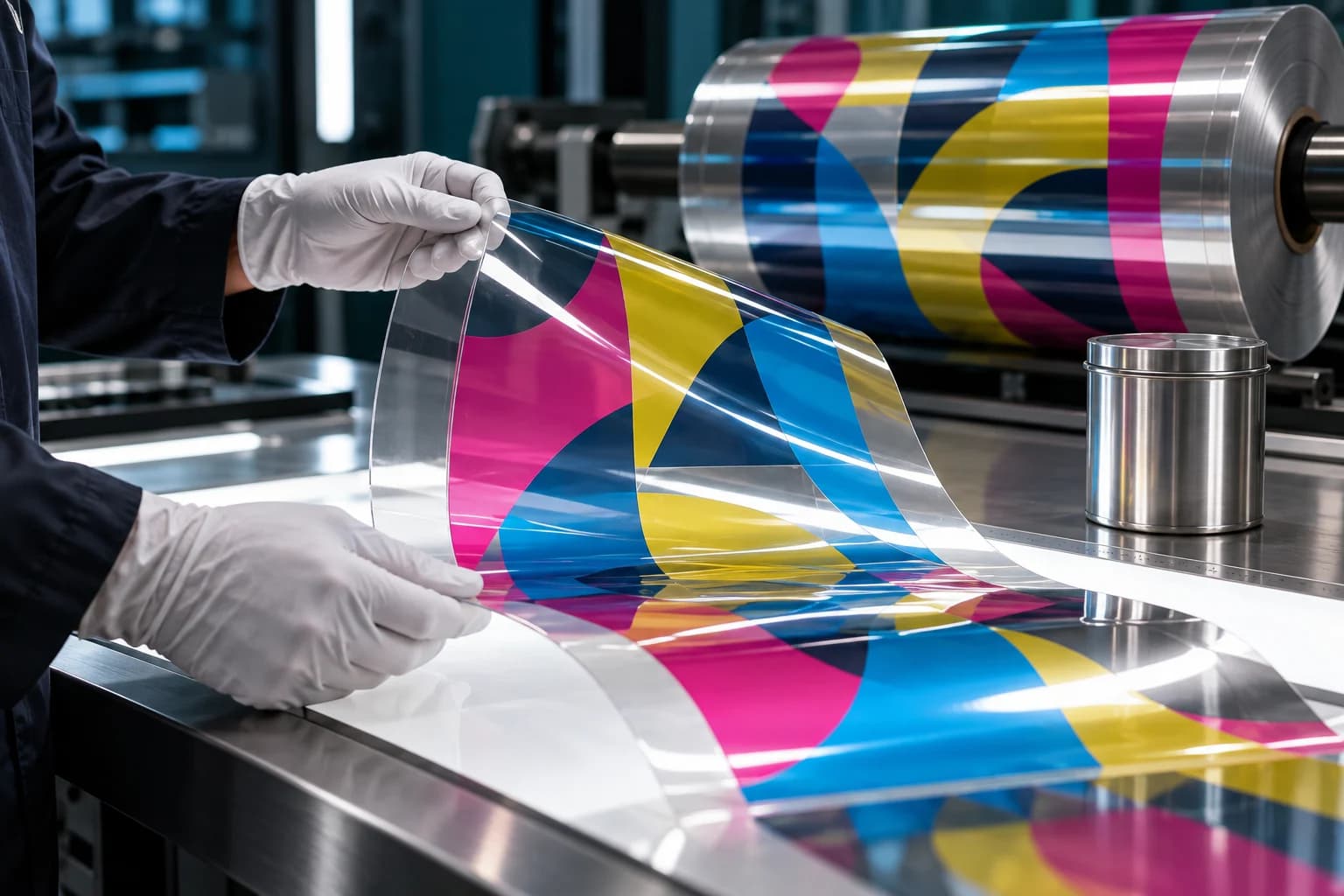
Solvent-based ink systems for flexographic and gravure printing on films and flexible packaging, where fast drying, strong adhesion and reliable lamination behavior matter. Selection follows the film, print side, drying capacity and the conversion the printed web goes through.
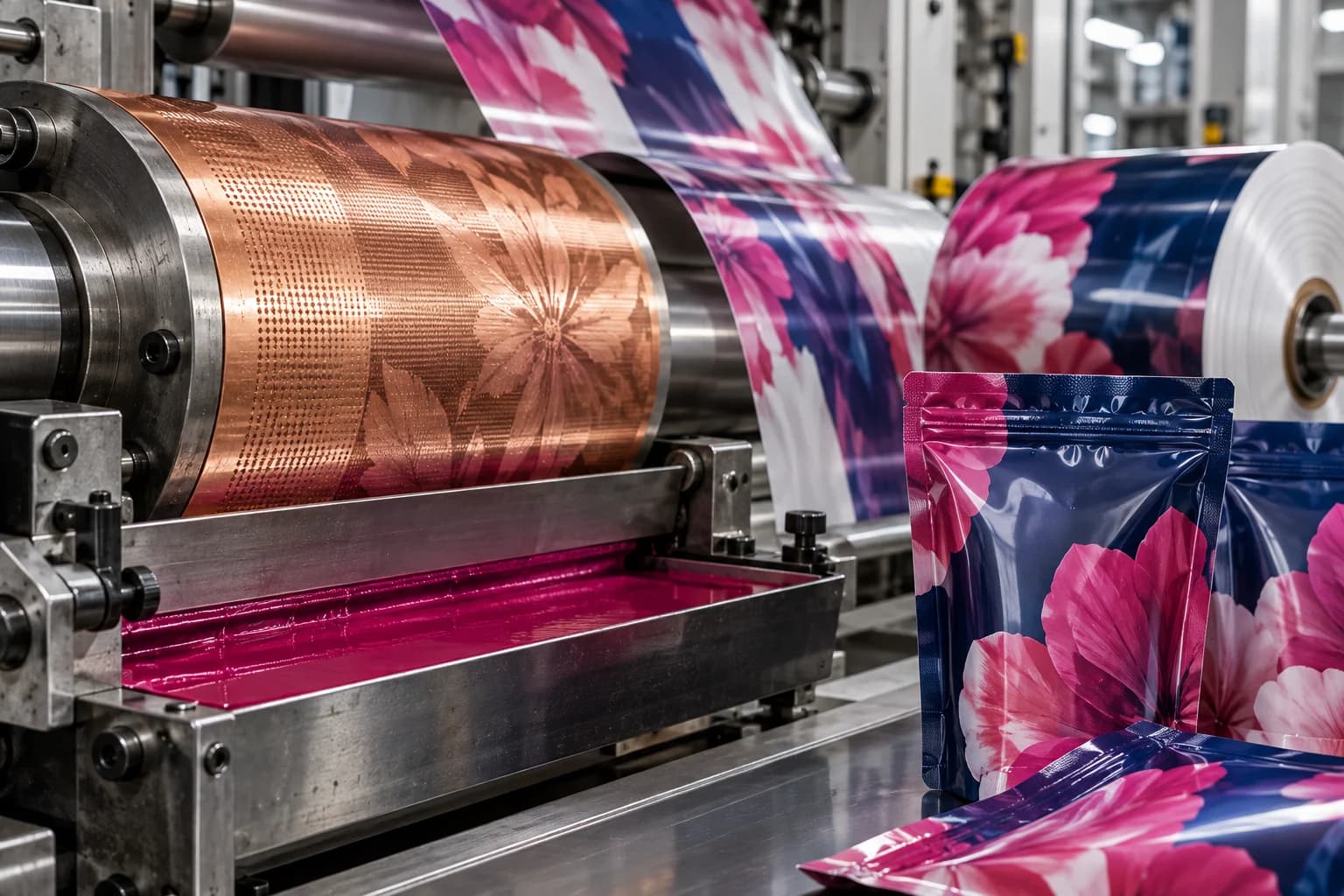
Solvent-based inks are widely used in flexographic and gravure printing on films, including flexible packaging. Choosing one means looking at the full job: the film, printing method, drying equipment and any lamination, sealing or conversion that follows.
The complete material and press brief is important for solvent-based packaging inks. Identify the film, surface treatment, printing process and drying setup, as well as the existing product reference where known. A familiar category name does not make different products interchangeable.
Downstream conversion can introduce requirements that are not visible in a press sample. Describe the lamination system, sealing conditions, pack contents and handling exposure. Review the proposed product documentation and the agreed trial results before introducing an ink or changing the associated thinner or cleaning practice.
WHAT MATTERS
Review the application, material and production conditions together. These considerations help frame the questions to resolve before selecting a product and planning a press trial.
Provide the film type, treatment and intended print side. For laminates, include the full structure and whether the printed surface stays exposed.
Tell us the press type, drying setup and existing ink. Reducer and thinner requirements follow the specific product's guidance, not the category name.
Explain the handling and finishing conditions, and request the technical and safety data for the proposed product before production.
QUESTIONS
No. Different films, treatments and finished structures may need different products. Share the full substrate specification and intended use. Include the film grade, coating or treatment, print side and any lamination or sealing steps. Compatibility should be reviewed for that combination rather than inferred from the general category.
Confirm this against the specific product's instructions. A thinner or additive used with one ink is not automatically suitable for another formulation. Provide both references and ask for the recommended combination and safety information before making a substitution or adjusting normal operating practice.
Send the printing process, substrate, shade reference, current ink details, quantity and delivery destination, together with any documentation you need. Add project timing and any existing approved product reference. Availability and the commercial details need confirmation for the actual enquiry; preparing the website form does not place an order.
No. It describes the ink system, while flexography and gravure describe how the ink is transferred to the substrate. An enquiry should identify both, together with the material and drying setup. A solvent-based product proposed for one process should not be assumed suitable for another without review.
The condition of the printed film depends on the actual press and subsequent handling. Include running speed, dryer information and when the print is rewound, stored or converted. These details are especially useful when discussing retained odor, blocking or changes that first appear after printing.
Request the safety data sheet for the exact proposed product and review its handling, storage and hazard information with the responsible team at your site. Confirm the product-specific guidance for any associated thinner or cleaning material. This website does not replace the documents or your operating procedures.
Share the current product and thinner references, proposed substrate and normal press conditions. Explain the reason for the change and any customer approval requirements. Confirm the recommended combination and agree a controlled evaluation before making a production change, rather than substituting materials on the basis of a category name.
PACKAGING APPLICATIONS
Tell us about your press, substrate and color target. We will help you frame the right ink conversation.