
Surface or reverse print
Reverse-printed work is buried in a laminate; surface print meets the outside world. Each asks different things of the ink.
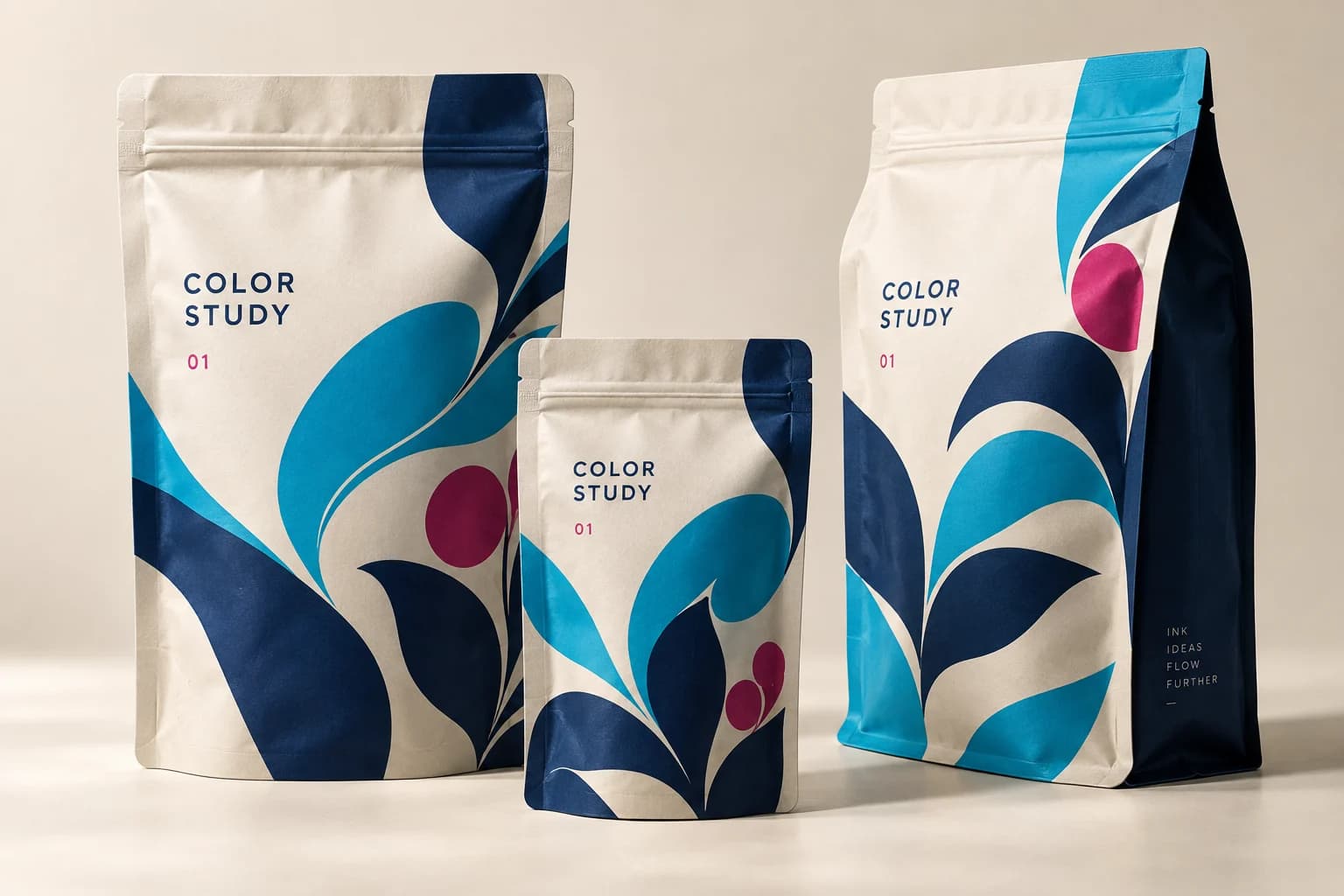
OVERVIEW
Pouches, bags, sachets and laminated rollstock carry some of the most demanding print in packaging. The ink sits inside a structure that will be laminated, sealed, filled and handled, so the right choice depends on the whole pack, not only the printed film.
For a pouch or sachet, start with the finished structure rather than a film name alone. Identify the printed layer, the layers laminated around it and the surfaces that will be sealed. The same artwork can create different ink requirements when the laminate, adhesive or filling conditions change. Include these details when comparing a proposed ink with the system already running on the job.
Approval should follow the route the pack takes after printing. A useful brief connects drying on press with lamination, sealing and the handling expected during filling and distribution. Provide the filled-product description and any customer acceptance requirements alongside the color reference. This gives the discussion a practical target: an evaluated print within a defined pack structure, rather than a shade approved before conversion.
Rewinding and stacking deserve attention when assessing drying. If the printed surfaces stick together, record the drying conditions, ink laydown and time before winding or conversion. This blocking symptom can involve the formulation as well as operating conditions; assess the proposed combination through the actual production sequence rather than judging readiness by surface appearance alone.
WHAT MATTERS
The material, printed layer and finishing sequence all influence the ink recommendation. Use these application considerations to prepare a brief for your packaging structure.
Reverse-printed work is buried in a laminate; surface print meets the outside world. Each asks different things of the ink.
Bond strength, adhesive compatibility and heat during sealing all depend on the ink system and the structure around it.
High-speed flexo and gravure lines need an ink that dries fully within your dryer capacity without trapping solvent.
RECOMMENDED PRODUCTS
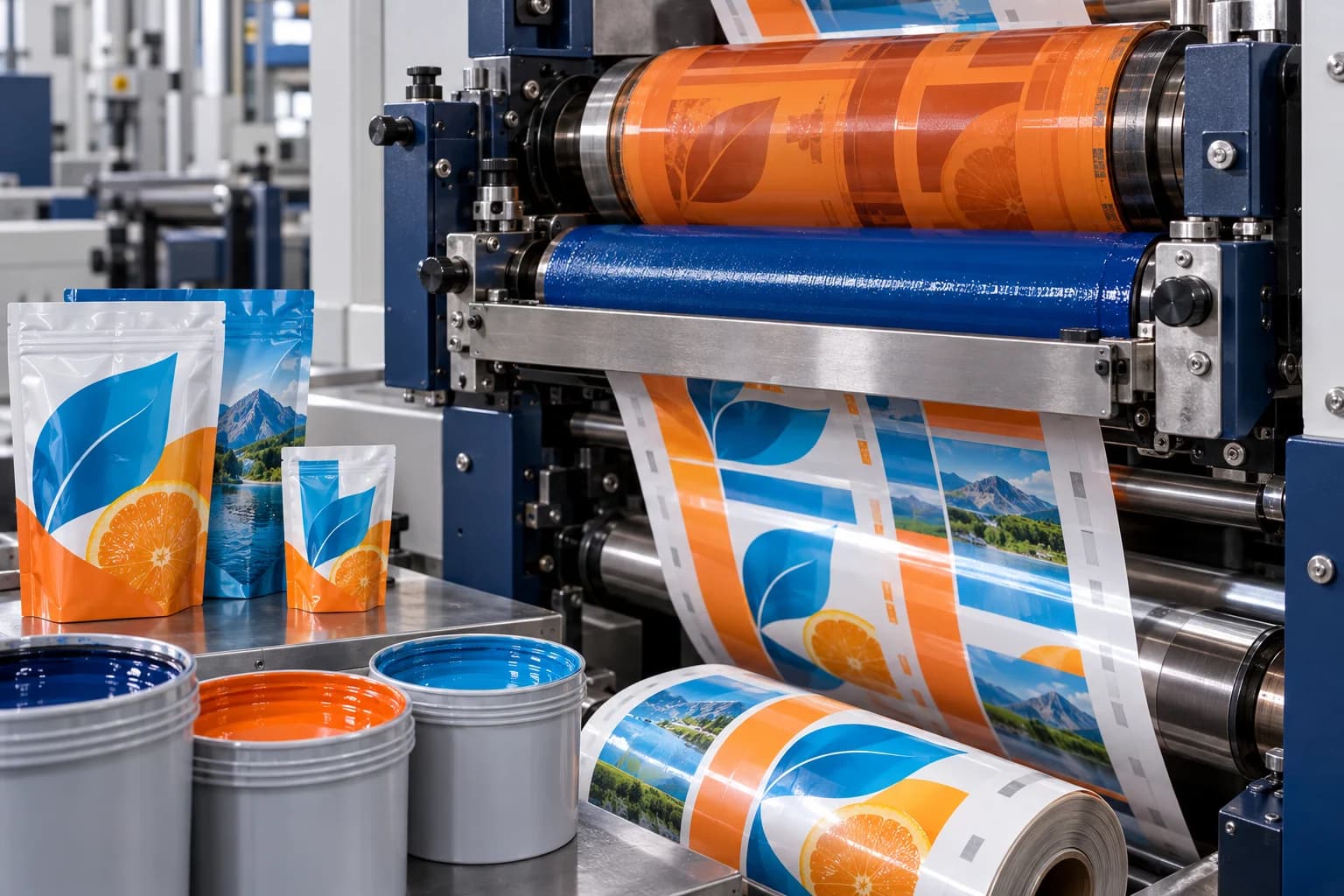 Flexographic InksClean transfer and consistent color at production speed.Explore
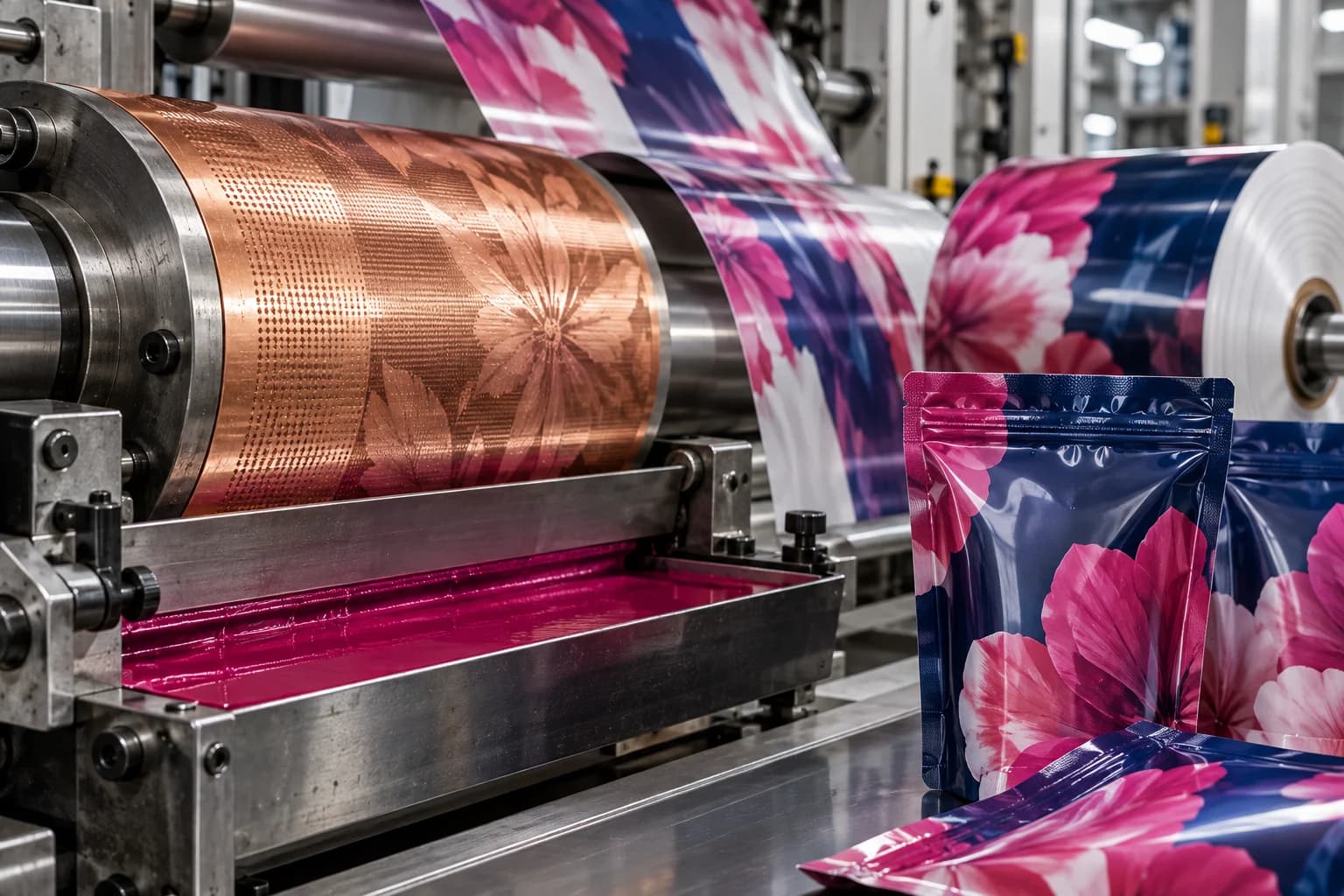 Gravure InksFine tonal control for long, demanding packaging runs.Explore
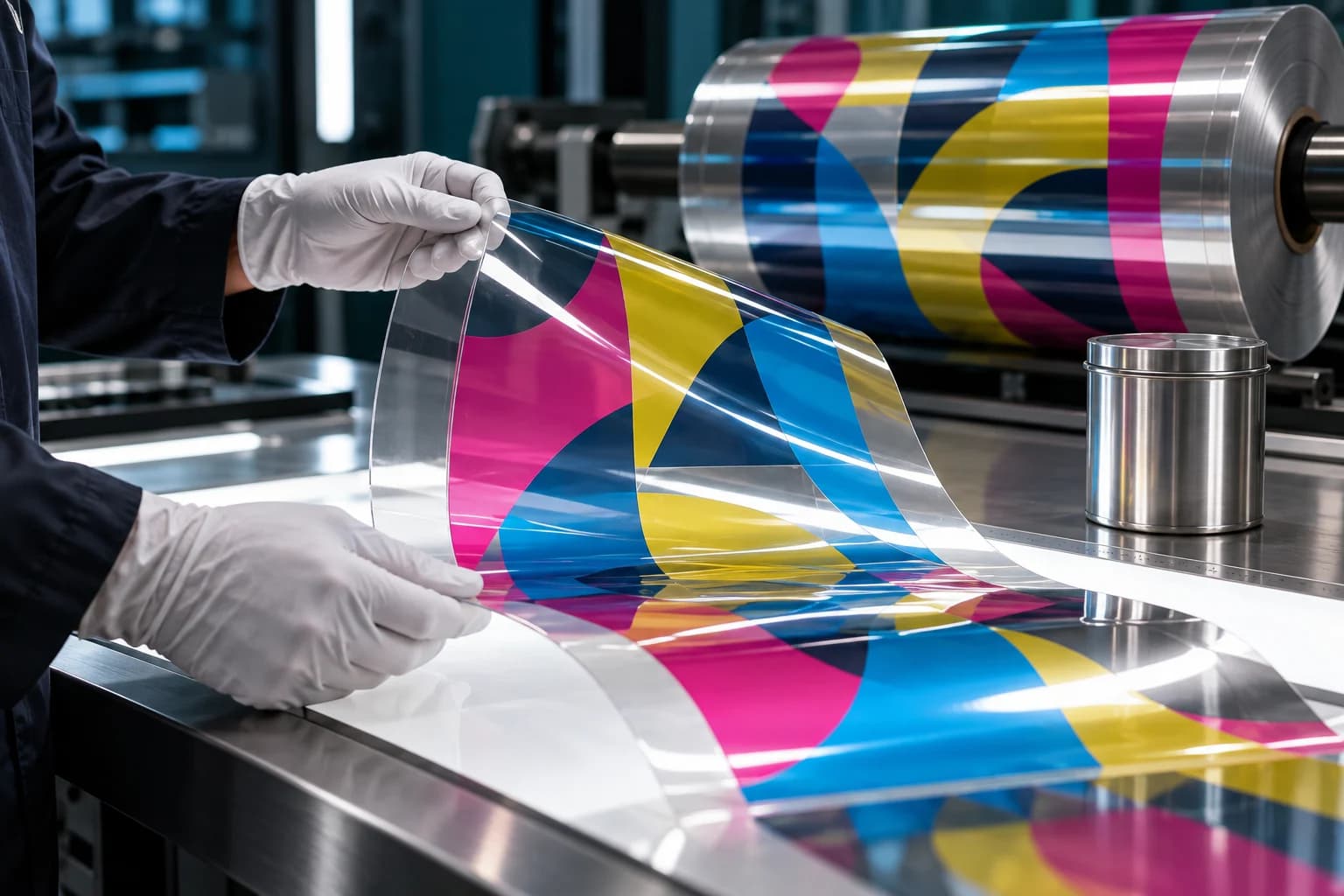 Solvent-Based InksFast-drying systems for films and flexible packaging.Explore
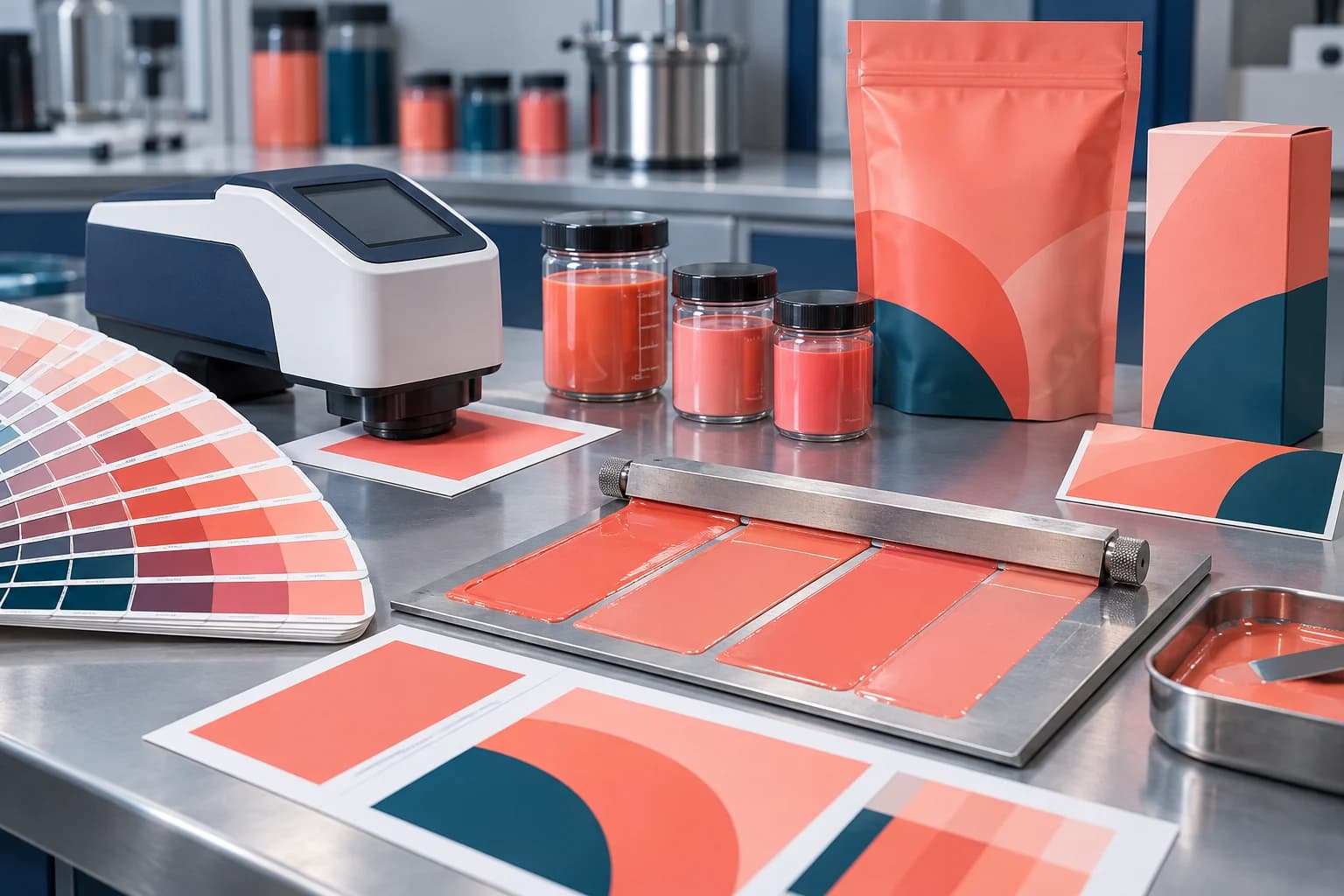 Custom ColorsBrand and spot shades matched to your press and substrate.Explore
APPLICATION QUESTIONS
Practical answers to help you prepare the material, process and finished-pack details for this application.
Provide the full laminate structure, identify the printed layer and say whether the image is surface or reverse printed. Include the adhesive, sealing conditions and intended contents, together with your press and drying setup. These details connect ink selection to the actual pack. If you are repeating an approved job, also identify changes to the film, adhesive or filling process before treating the previous ink choice as applicable.
Surface printing leaves the image exposed to handling, so the brief needs to describe rubbing, contact with the filled product and any protective finish. Reverse printing places the image within a structure, making compatibility with the laminate especially relevant. Neither arrangement establishes suitability on its own. Name the print side and the complete construction so the proposed product can be considered against the conditions it will actually encounter.
The ink forms part of the printed structure that is laminated, so its interaction with the adhesive belongs in the selection discussion. Share the adhesive reference, material combination and relevant conversion conditions, along with any bond acceptance requirement. A color sample alone cannot establish compatibility. Evaluate the proposed combination through the intended lamination route before approving a change for production.
Describe the revised sealing conditions and identify where the printed areas sit in relation to the seals. Include any changes to the film structure or filling process, even if the artwork stays the same. Heat and downstream handling are part of the ink brief. Review the proposed ink within the changed pack construction rather than assuming that an unchanged color target means the previous specification still applies.
They may share a printing process, but format alone does not establish that the same specification fits both. Compare their film structures, print sides, lamination adhesives, sealing conditions and contents. Where these differ, raise the differences in the enquiry. A proposed common ink should be evaluated for each intended structure and conversion route, with acceptance based on the finished packaging requirements rather than the visual similarity of the designs.
Agree what needs to be assessed after drying, lamination and sealing as well as on the printed reel. Include the actual structure, intended contents and handling conditions in the trial brief. The acceptance criteria should reflect the pack and the customer requirement. Confirm the scope, quantity and approval process for any proposed trial individually; a satisfactory shade on film does not by itself approve the converted pack.
Tell us about your press, substrate and color target. We will help you frame the right ink conversation.