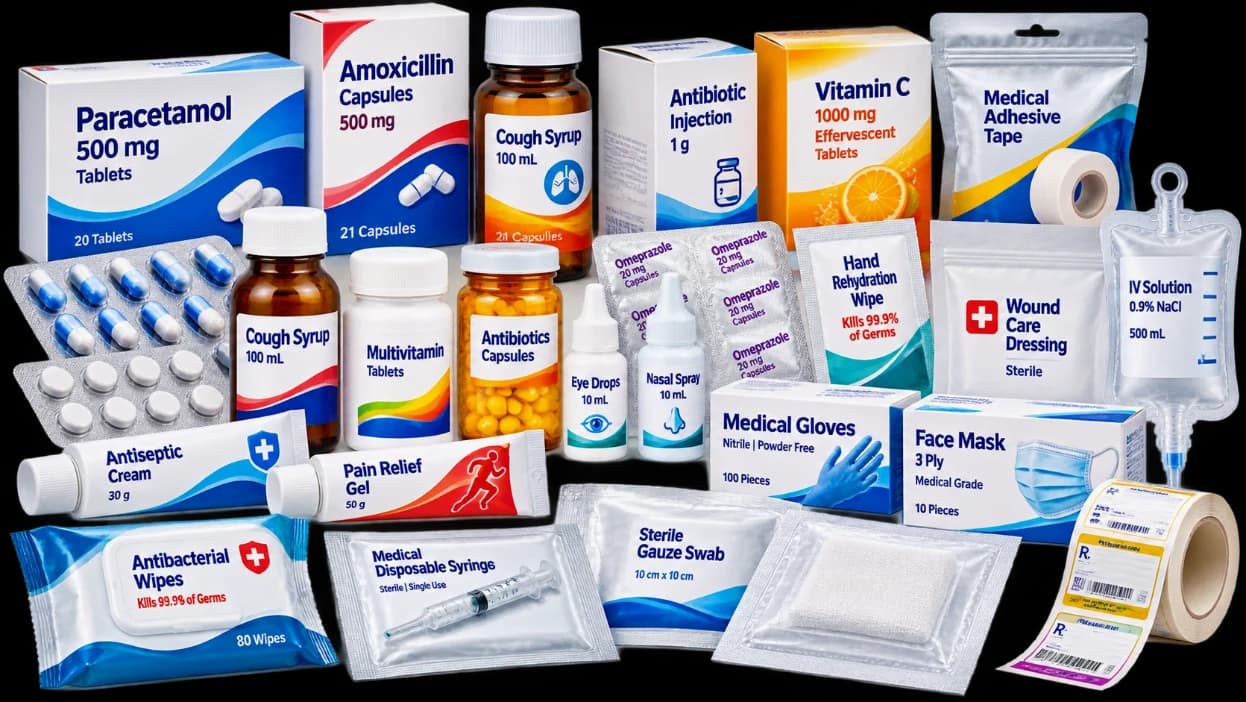
In the pharmaceutical and healthcare industries, printing inks play a vital role in ensuring packaging integrity, product identification, regulatory information, traceability, and consistent visual communication. At Jazeera Inks, we focus on technically advanced printing ink solutions designed to meet the demanding performance requirements of pharmaceutical and healthcare packaging applications. Our printing ink technologies address the specific requirements of pharmaceutical cartons, blister foils, medical device packaging, medicine labels, sachets, laminated films, and flexible packaging structures.
High-resolution print definition, excellent color consistency, controlled ink transfer, and superior image reproduction are essential for maintaining the readability of dosage instructions, batch numbers, expiry dates, barcodes, and pharmaceutical product information.
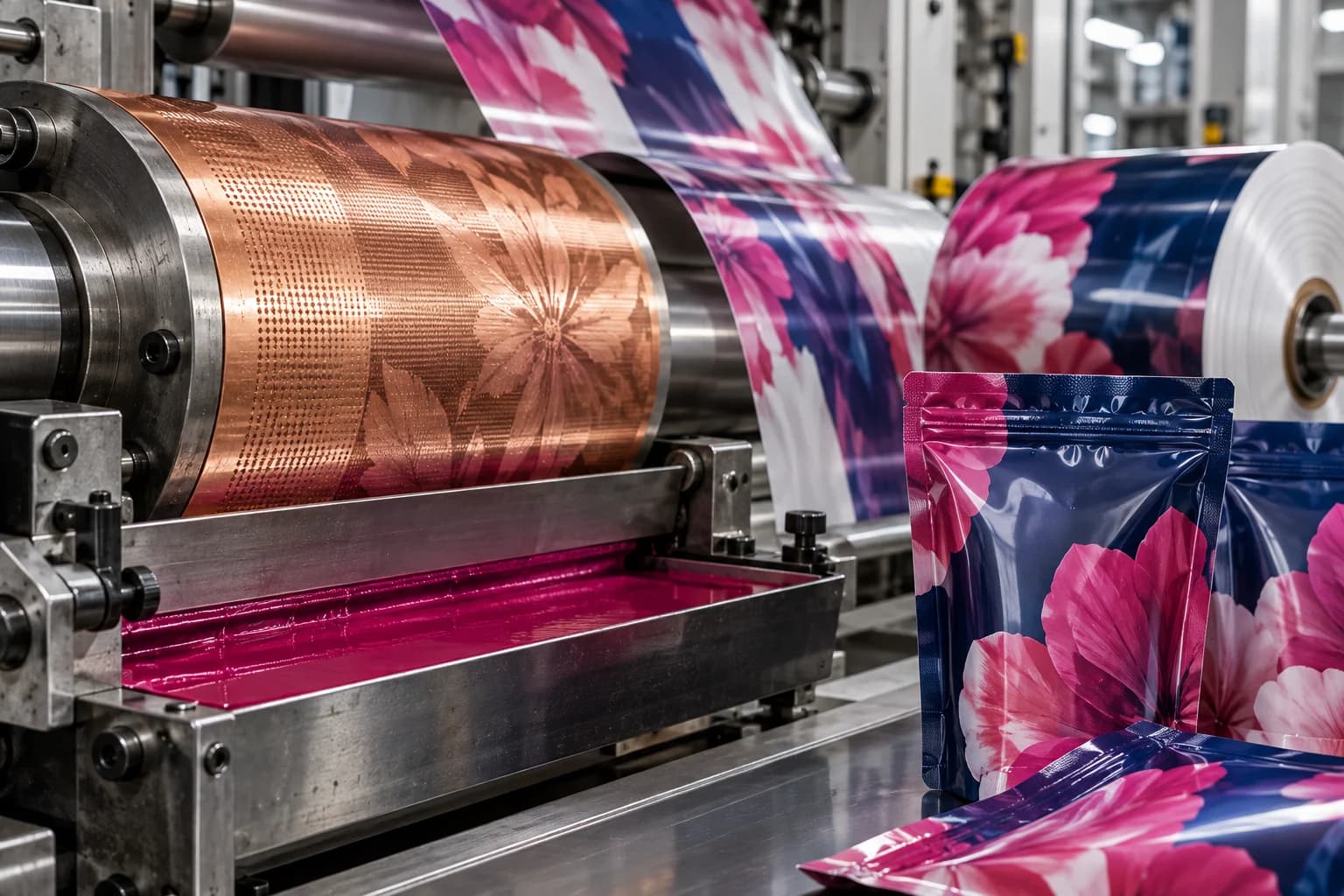
Printing inks must demonstrate strong adhesion to various substrates, including aluminum foil, paperboard, coated paper, polyethylene (PE), polypropylene (PP), polyester (PET), and other specialized packaging films. Carefully engineered resin systems, pigment dispersions, solvent combinations, and functional additives contribute to optimal ink stability, controlled viscosity, printability, and compatibility with different printing technologies.
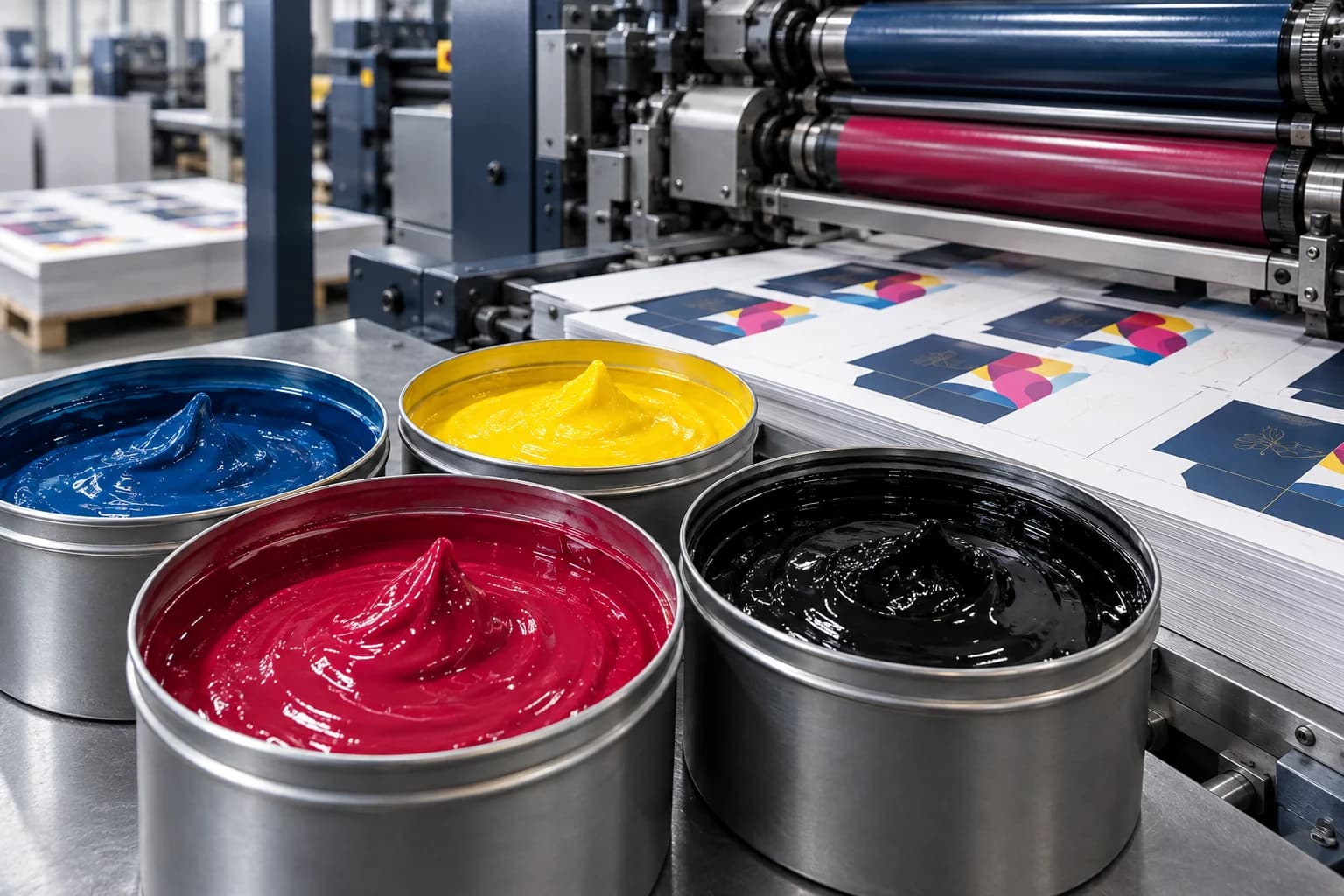
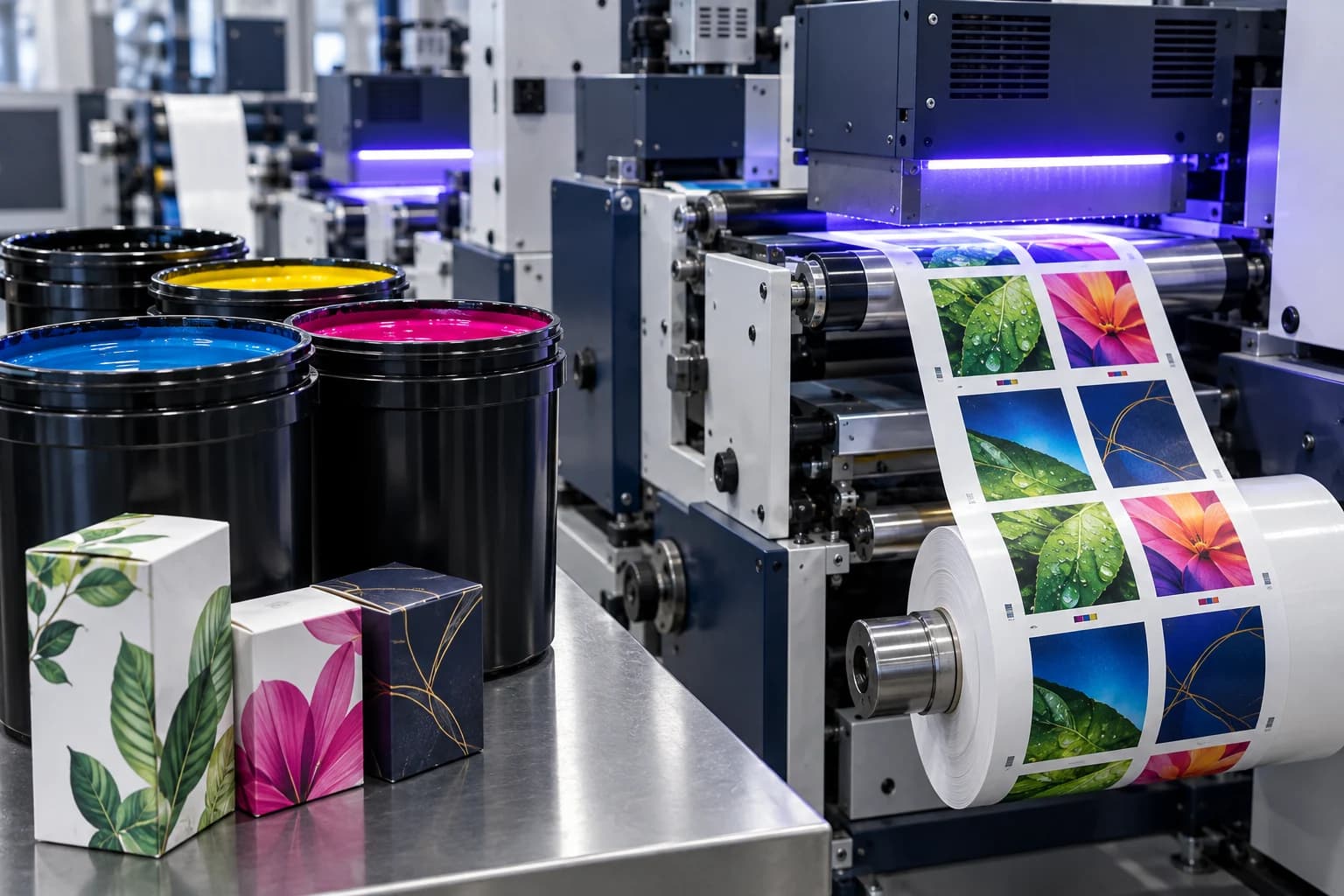
Our technical approach considers flexographic, gravure, and offset printing processes, where consistent ink transfer, accurate color reproduction, and controlled drying or curing characteristics are essential for efficient production.
Read moreRead less about Pharmaceutical & Healthcare
Pharmaceutical packaging inks may require excellent resistance to abrasion, scratching, rubbing, blocking, moisture, and selected chemicals to maintain print quality throughout converting, handling, storage, and distribution. For blister packaging applications, suitable ink systems must demonstrate compatibility with aluminum foil structures, protective coatings, heat-seal lacquers, and the thermal conditions encountered during packaging operations.
In flexible pharmaceutical packaging, printing ink selection must consider lamination compatibility, interlayer adhesion, residual solvent control, and resistance to delamination under specified processing and storage conditions. For medical device packaging, printed materials may require compatibility with validated sterilization processes, including ethylene oxide, gamma irradiation, or steam sterilization, depending on the packaging material and intended application.
Low-migration ink technologies, appropriately selected raw materials, and controlled manufacturing practices are important considerations for packaging applications where chemical transfer, contamination risks, and product safety must be carefully evaluated. Advanced color management, spectrophotometric measurement, viscosity control, and standardized print quality procedures help achieve consistent shade reproduction, reduced printing defects, and improved production efficiency.
At Jazeera Inks, we recognize the importance of selecting and validating printing inks in accordance with substrate characteristics, packaging construction, pharmaceutical product sensitivity, intended use, and applicable regulatory requirements. Our commitment is to support pharmaceutical and healthcare packaging manufacturers with technically reliable printing ink solutions that combine precision, durability, process efficiency, consistent print quality, and responsible material selection.
Application examples describe technical considerations; product-specific documentation and validation are needed before approving a particular pharmaceutical or healthcare packaging construction.
At Jazeera Inks, we believe that printing quality is an essential part of packaging performance. Our technical focus includes ink formulation, color management, substrate compatibility, printability, and application-specific performance evaluation.
By connecting printing technology with the practical requirements of packaging manufacturers and converters, we aim to support reliable, efficient, and consistent printing across pharmaceutical and healthcare packaging applications.
PRIORITIES
What matters most
Pharmaceutical folding cartons
Printed folding cartons are widely used as secondary packaging for tablets, capsules, syrups, injectable medicines, and other pharmaceutical products. Printing inks used on pharmaceutical cartons must provide sharp reproduction of product information, dosage instructions, identification codes, barcodes, and brand graphics.
Blister packaging
Blister packaging is widely used for tablets and capsules, typically combining a formed plastic or aluminum cavity with a printed lidding material. Printing inks for blister lidding foils require carefully controlled adhesion, resistance to converting stresses, and compatibility with the selected foil coating and heat-sealing system.
Labels & pressure-sensitive packaging
Labels are essential for medicine bottles, injection vials, syrups, diagnostic products, and healthcare containers. Printing inks must support accurate reproduction of identification information while maintaining adhesion and readability during filling, labeling, storage, and distribution.
Sachets & flexible packaging
Flexible packaging is used for oral rehydration salts, pharmaceutical powders, granules, medical wipes, and selected healthcare products. These packaging structures may incorporate polyester, polyethylene, polypropylene, aluminum foil, or multilayer laminates.
Medical devices & sterile barriers
Medical devices, syringes, surgical instruments, wound-care products, and diagnostic accessories often require specialized printed packaging. Depending on the application, substrates may include medical-grade paper, coated films, Tyvek-type materials, and multilayer flexible structures.
Healthcare tubes & containers
Printed tubes, sleeves, and labels are widely used for pharmaceutical creams, ointments, antiseptic gels, topical preparations, and healthcare products.
What print information needs particular attention?
Dosage instructions, batch numbers, expiry dates, barcodes and identification details require sharp reproduction and durable legibility. Include representative artwork and the quality team’s acceptance requirements.
What should be checked for blister lidding foil?
Review adhesion to the treated or coated foil, heat-sealing conditions, compatibility with lacquers, resistance to rubbing, and controlled drying and residual solvents where applicable.
Are all healthcare inks suitable for sterilization?
Suitability depends on the packaging material, ink and validated sterilization process. State whether ethylene oxide, gamma irradiation, steam or another process is involved and evaluate the complete printed construction.
What documents should be requested before selection?
Identify the technical, safety and application-specific documentation required by the customer’s quality system. General application descriptions do not establish regulatory approval for a particular medicine or pack.
What matters for pharmaceutical flexible packaging?
Evaluate adhesion, lamination bonds, residual solvent control, flexibility, heat and sealing resistance, and resistance to delamination under the intended processing and storage conditions.
Talk to us about pharmaceutical & healthcare packaging
Tell us about your press, substrate and color target. We will help you frame the right ink conversation.