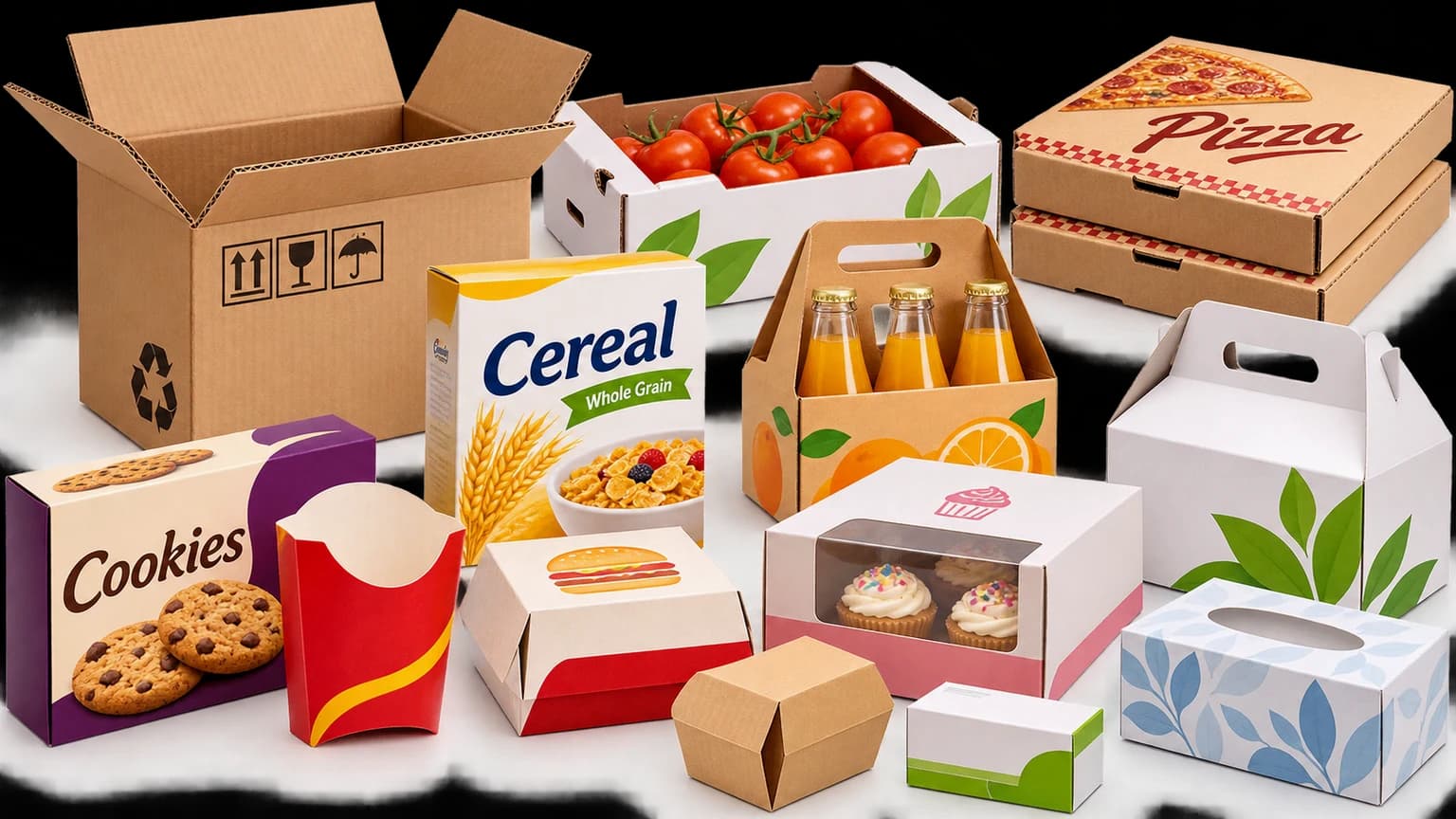
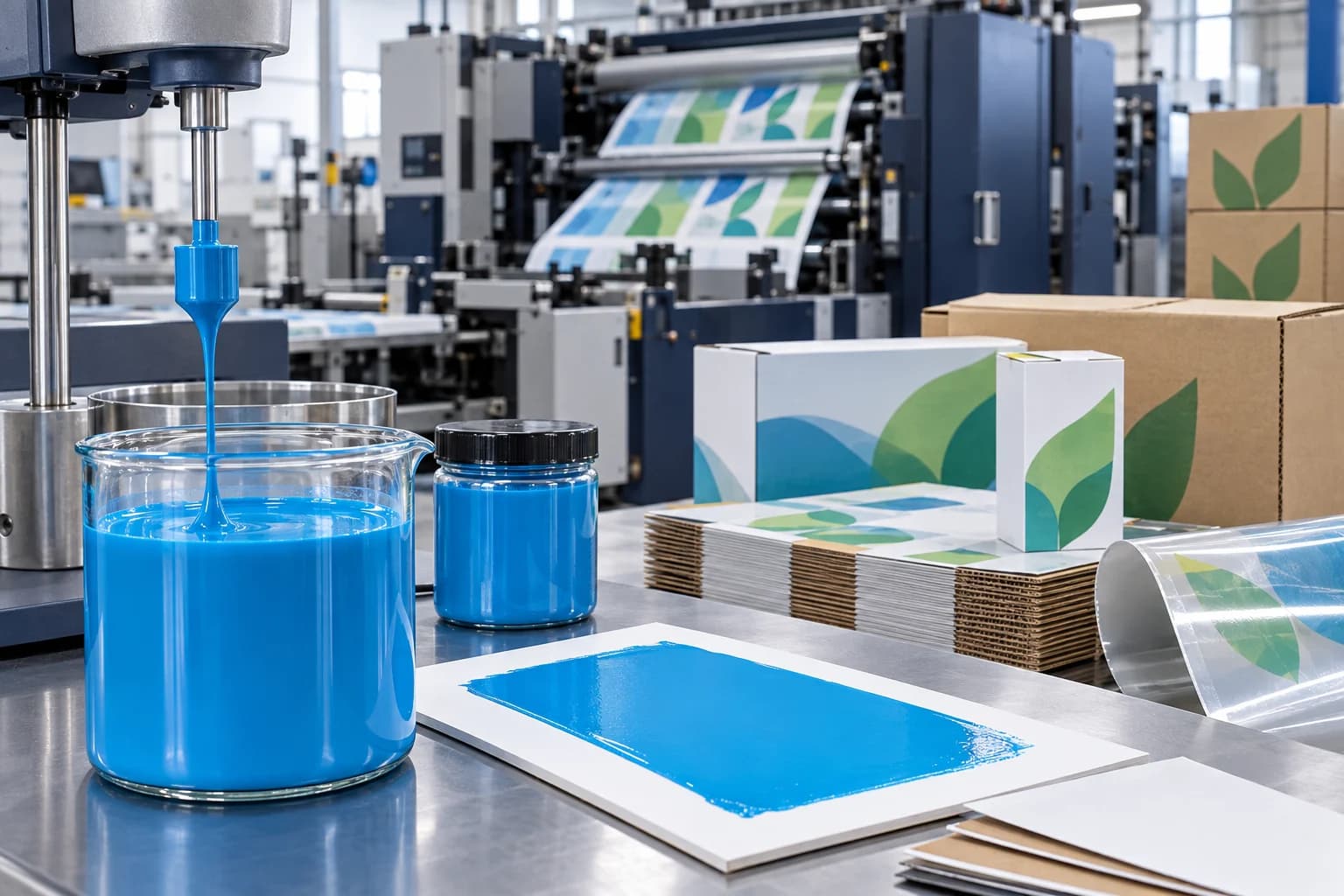
Corrugated and paperboard packaging are widely used across food, beverage, pharmaceutical, agricultural, industrial, retail, and e-commerce sectors due to their excellent mechanical strength, versatility, printability, recyclability, and cost-effectiveness. At Jazeera Inks, we understand the technical requirements of printing on corrugated board, folding boxboard, kraft paper, coated paperboard, and recycled paperboard, where substrate porosity, surface roughness, absorbency, and coating characteristics significantly influence ink performance.
Our printing ink solutions focus on achieving excellent color strength, uniform ink transfer, controlled penetration, strong surface adhesion, and consistent print reproduction across different paper-based packaging materials.
Water-based flexographic inks are particularly important for corrugated packaging applications, requiring carefully balanced pigment dispersions, polymeric binders, rheology modifiers, defoamers, and functional additives to ensure reliable press performance. Ink viscosity, pH stability, surface tension, and drying characteristics must be properly controlled to achieve consistent ink transfer, minimize foaming, and prevent printing defects such as mottling, feathering, pinholing, and uneven color density.
For coated and uncoated paperboard, ink formulations must accommodate variations in substrate absorption and surface energy while maintaining excellent print definition, color uniformity, and suitable drying speed. High-quality pigment dispersion and appropriate binder selection contribute to improved color development, optical density, gloss control, adhesion, and resistance to mechanical abrasion during converting and distribution.
Read moreRead less about Corrugated & Paperboard
Printing inks used for corrugated and paperboard packaging must demonstrate suitable rub resistance, scuff resistance, blocking resistance, and fold-crack resistance to maintain printed surface integrity during die-cutting, creasing, folding, gluing, stacking, and transportation. Effective drying and film formation are essential for minimizing set-off, reducing production downtime, and maintaining printing efficiency during high-speed flexographic and other applicable printing processes.
For food and pharmaceutical secondary packaging, ink selection should consider potential migration, set-off, odor, and applicable regulatory requirements, particularly where printed surfaces may contact sensitive packaging components.
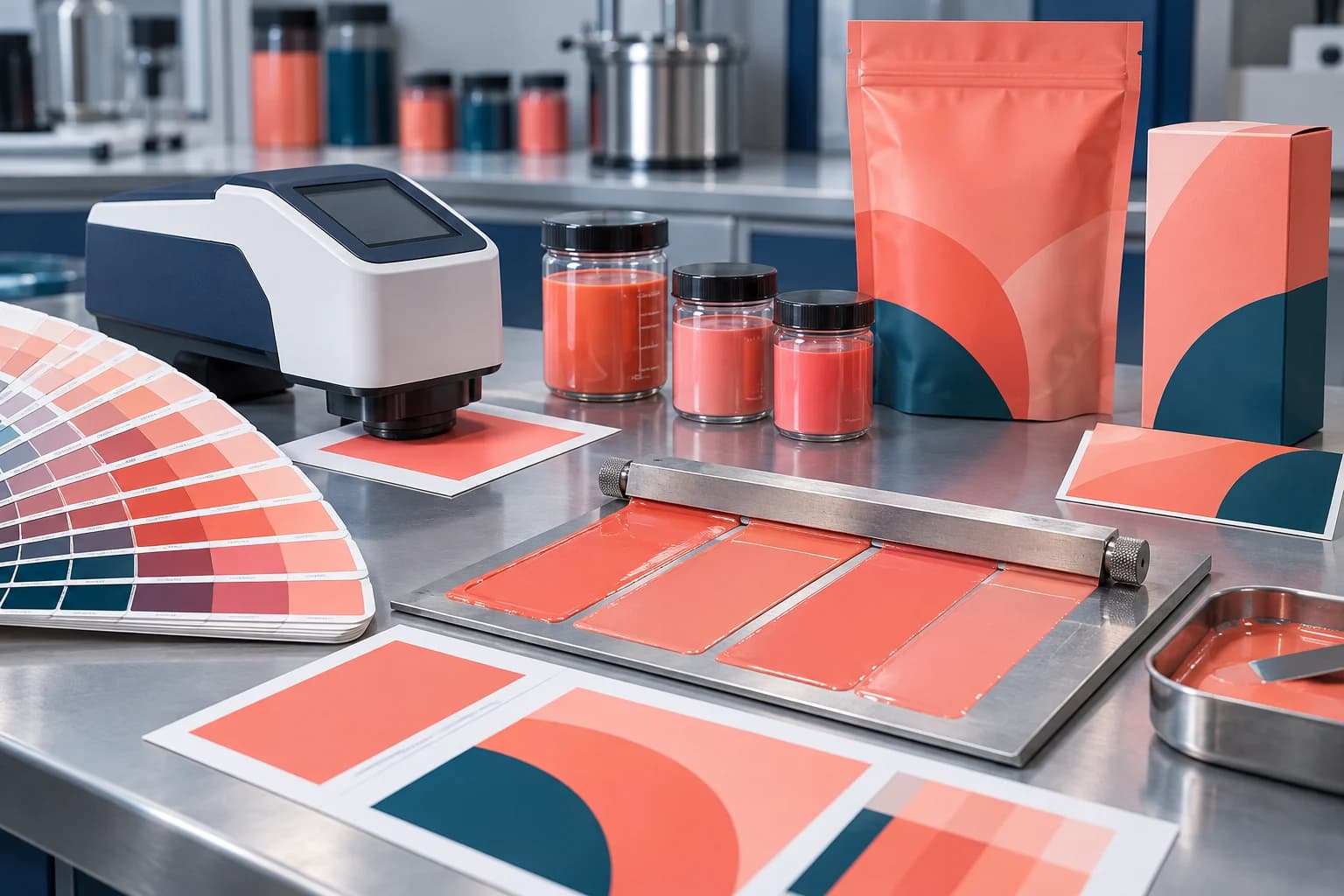
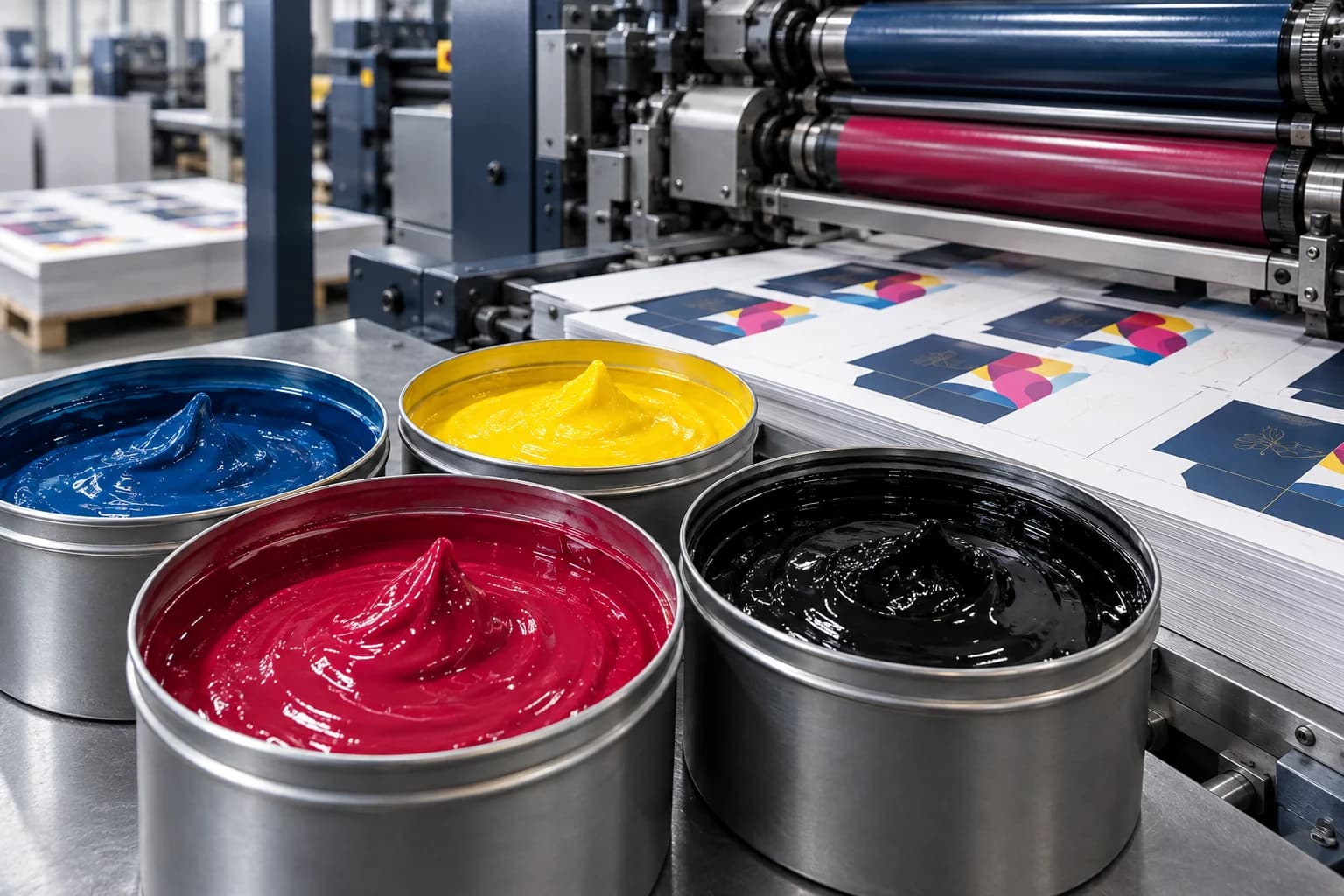
Color consistency is maintained through controlled ink formulation, spectrophotometric measurement, appropriate anilox selection, print density monitoring, and standardized color management practices.
Our application-focused approach also considers the compatibility of printing inks with subsequent converting operations, including varnishing, coating, lamination, adhesive bonding, and other finishing processes where applicable. As the packaging industry increasingly adopts recyclable fiber-based materials, appropriate ink chemistry, deinkability, and compatibility with paper recycling processes are important considerations in supporting circular packaging solutions.
At Jazeera Inks, our objective is to deliver reliable printing ink performance that combines excellent visual quality, efficient production, functional durability, and responsible material selection for modern corrugated and paperboard packaging applications. We aim to support packaging printers and converters through technically appropriate ink selection, color formulation expertise, process optimization, and quality-focused printing solutions.
PRIORITIES
What matters most
High-graphics corrugated packaging
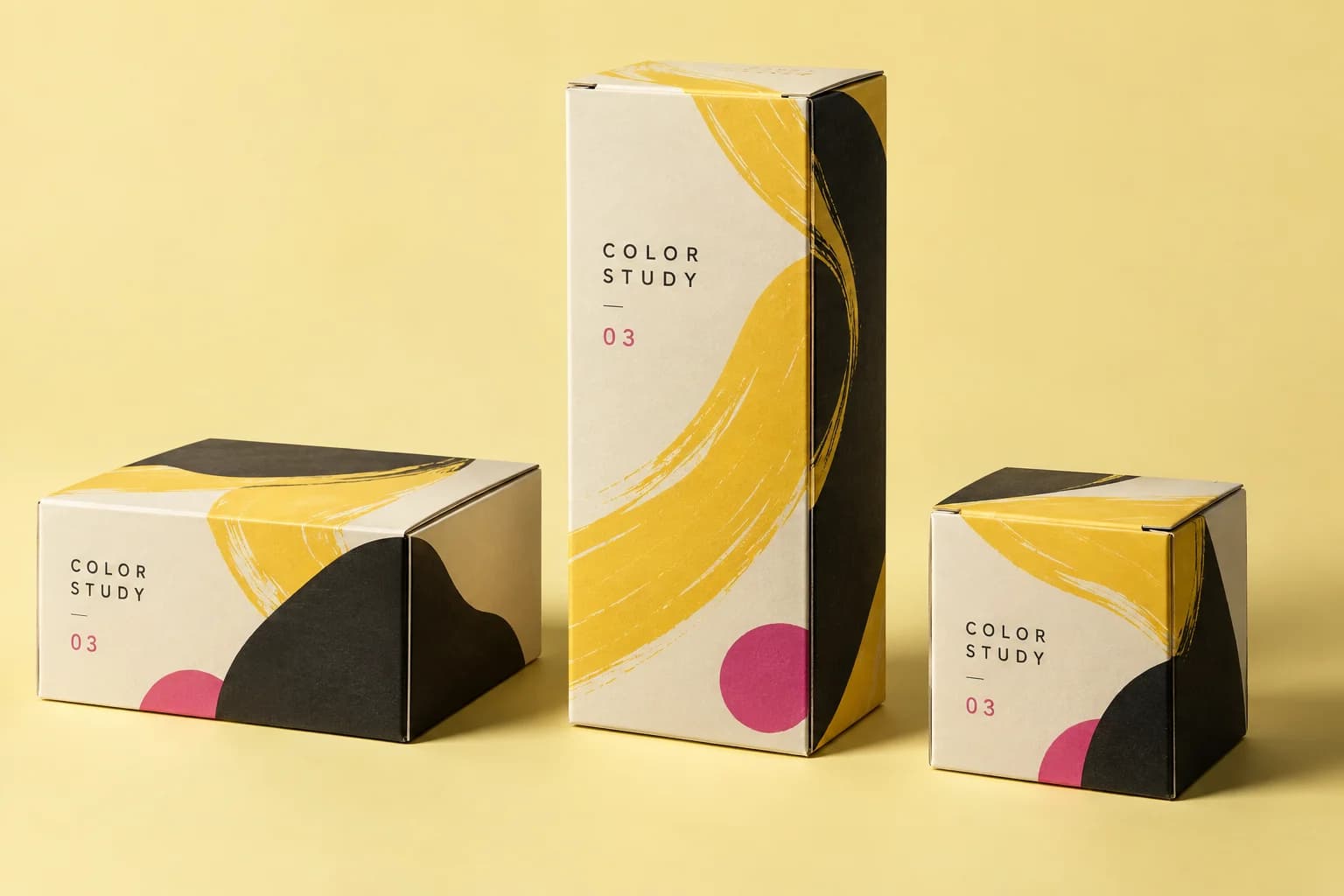
High-graphics corrugated packaging is increasingly used for retail displays, shelf-ready packaging, promotional boxes, and premium e-commerce applications. These applications demand enhanced color reproduction, smooth ink laydown, improved print contrast, and consistent branding. Printing may involve high-quality post-print flexography, preprint liner printing, digital printing, or lithographic printing followed by lamination to corrugated board. Important ink properties include high color strength, suitable dot gain control, good trapping where applicable, and resistance to cracking or scuffing during converting operations.
Paperboard packaging printing
Paperboard is widely used for folding cartons, product sleeves, display packaging, pharmaceutical cartons, cosmetic boxes, food cartons, and consumer goods packaging. Depending on the end-use requirements, packaging converters use substrates such as:
Sustainability & responsible packaging
Corrugated and paperboard packaging are important components of the circular economy because fiber-based materials can be collected, recovered, and recycled through established paper recycling systems. Printing ink selection can influence the environmental performance and recyclability of these packaging structures.
Food-contact & regulatory considerations
Corrugated and paperboard packaging are frequently used for food, beverage, agricultural, pharmaceutical, and consumer goods applications. For food-related packaging, ink selection requires particular attention to chemical composition, potential migration, set-off, and the intended conditions of use.
Porosity, roughness, absorbency and coatings change ink penetration, transfer, adhesion and drying. Specify the actual board or liner rather than a generic paper description.
What should be controlled on a water-based flexographic press?
Viscosity, pH, surface tension, drying and foam influence transfer and color consistency. Include anilox and substrate details when evaluating mottling, feathering or uneven density.
What matters during folding and converting?
Check rub, scuff, blocking and fold-crack resistance through die-cutting, creasing, folding, gluing and stacking. Drying and film formation influence set-off and handling.
Are water-based inks enough to make a carton recyclable?
Recyclability must be assessed for the complete printed structure, including coatings, adhesives, laminates and fiber composition. Water-based chemistry alone does not guarantee recycling or repulping performance.
Talk to us about corrugated & paperboard packaging
Tell us about your press, substrate and color target. We will help you frame the right ink conversation.