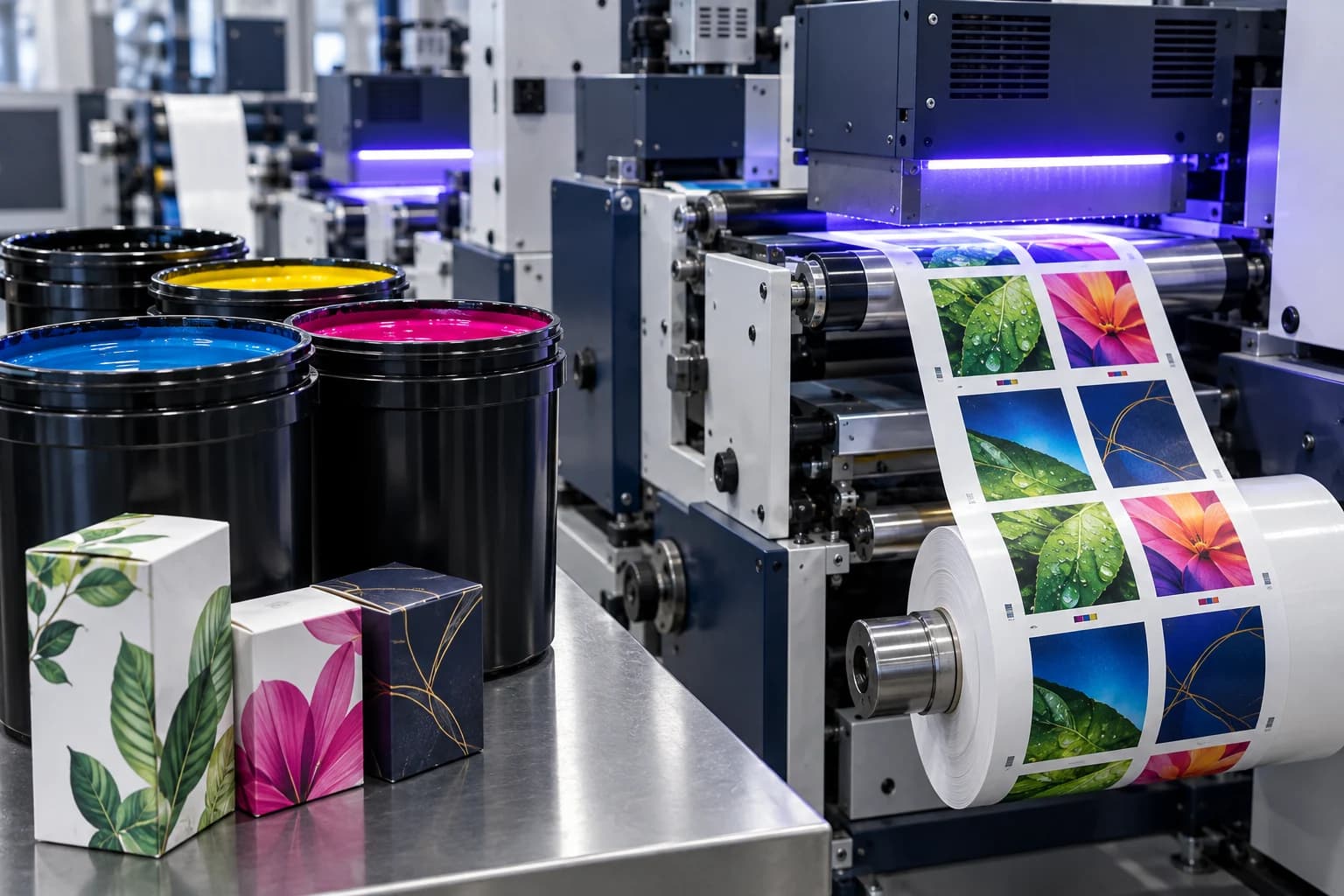
Define success first
Agree the target — a shade, a rub result, a bond strength — and how it will be measured before work begins.
OVERVIEW
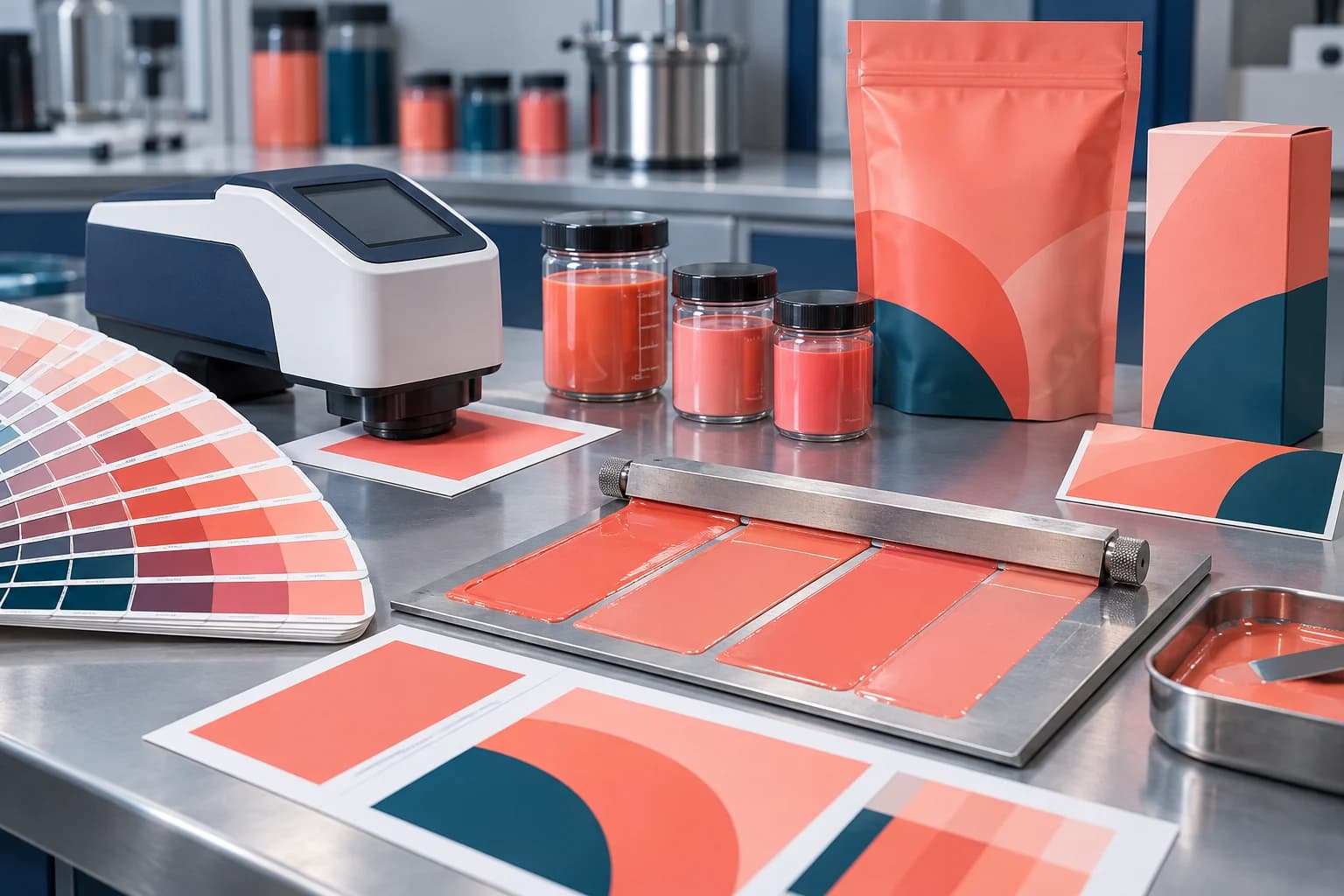
Some packaging jobs start with a problem rather than a product: a brand color that will not hold across substrates, a new material, or a finish or resistance target the current ink misses. We start with that requirement and work back to the ink system, color and press conditions that can meet it.
A custom enquiry is most useful when it defines the gap in the current result. Describe whether the issue is a brand shade across materials, a new substrate, a finish or a specific resistance requirement. Provide the existing ink reference and samples that show the target and the problem. These details make it possible to discuss a bounded requirement without assuming that a special formulation is always the answer.
Before any proposed change, agree what success means and who will approve it. Color references, viewing conditions, performance criteria and the intended press setup should be clear enough to compare a trial with the current result. Include quantity and timing in the brief, then confirm the scope and availability of any matching or trial work for the individual enquiry. Approval belongs to the defined application and conditions.
A request for greater gloss can interact with drying, adhesion and rub resistance. Rank the properties that matter most and identify the method used to assess each one. This creates a clearer development question than asking for every property to increase at once, and lets a proposed trial examine trade-offs against the current printed result.
WHAT MATTERS
The material, printed layer and finishing sequence all influence the ink recommendation. Use these application considerations to prepare a brief for your packaging structure.
Agree the target — a shade, a rub result, a bond strength — and how it will be measured before work begins.
Samples of the substrate and the current printed result make the discussion concrete from the start.
New inks are proven on your press. Plan trial quantity, timing and who signs off the result.
RECOMMENDED PRODUCTS
APPLICATION QUESTIONS
Practical answers to help you prepare the material, process and finished-pack details for this application.
Describe the specific gap between the current printed result and the target. Include the substrate, process, existing ink reference and examples of both the problem and the intended outcome. State how success will be assessed and who approves it. This creates a defined question for review, whether it concerns color, finish or resistance, without assuming in advance that a new formulation is necessary or available.
Provide the approved physical reference and identify each substrate, printing process and finish on which the shade needs to appear. Agree viewing conditions and the acceptance tolerance rather than relying only on a screen image. Differences between materials belong in the brief from the start. Confirm the scope of any proposed matching work and evaluate the results on the intended printed constructions before approving them across the range.
Supply the actual material reference and, where available, unprinted material, the current printed result and an approved target sample. Describe the press setup, drying or curing method and downstream finishing. Explain which requirement is not being met and how it was assessed. Samples make the discussion more concrete, but the scope and availability of any investigation or trial still need confirmation for the particular enquiry.
Name the exposure that matters, such as rubbing or contact with a particular packaged product, and describe the expected handling conditions. Identify the substrate, existing ink and any finish over the print. Agree a relevant assessment and acceptance criterion before evaluating alternatives. A request for higher resistance is too broad to establish a target, and a result under one condition should not be interpreted as resistance to every exposure.
Record the current ink reference, reason for replacement and the results that must be retained or improved. Include the press, substrate, drying or curing equipment and finishing route. Compare the proposed system against those requirements through an agreed evaluation. Confirm trial arrangements individually and define the approval responsibility before a production change; a matching color alone is not sufficient evidence that the replacement meets the full application brief.
Identify the approval owner in the brief and include any converter, brand or customer requirements that affect the decision. Agree the color reference, performance criteria and production conditions before the proposed trial. Record which samples or results will represent acceptance. The scope, quantity and timing of trial work need individual confirmation, and approval should remain tied to the tested application rather than treated as a universal product claim.
Tell us about your press, substrate and color target. We will help you frame the right ink conversation.